

A flight lands at Pearson airport during a November squall, and the trip downtown suddenly carries more weight than it did in July. Snow on the 401, freezing rain on the Gardiner, or fog rolling over the runways can turn a routine transfer into a long wait. Four options compete for that ride: the UP Express train, the TTC bus and subway combination, a licensed taxi, and a rideshare app. Each behaves differently once the forecast turns, and the choice usually comes down to whether a traveller values a fixed price, a fixed schedule, or door-to-door comfort.
The UP Express train
The UP Express runs on dedicated tracks between Pearson Terminal 1 and Union Station, separate from the 401 and the Gardiner Expressway. It leaves every 15 minutes, makes the trip in about 25 minutes, and costs $12.35 one way, or $9.25 if you tap a PRESTO card. Trains run from roughly 5:30 in the morning to 1:00 at night, seven days a week, so a late arrival rarely means a long wait on the platform.
Between Pearson and Union it stops at Weston, Mount Dennis, and Bloor, where you can transfer to the TTC subway on Line 2. Boarding happens at Terminal 1, and a free LINK train connects from Terminal 3. Because the route avoids road traffic entirely, snow squalls and highway pile-ups do not touch the schedule the way they touch a bus or a car. Extreme cold can occasionally slow any rail line in the region, so checking Metrolinx alerts before heading to the platform is still worth doing.
The TTC bus and subway
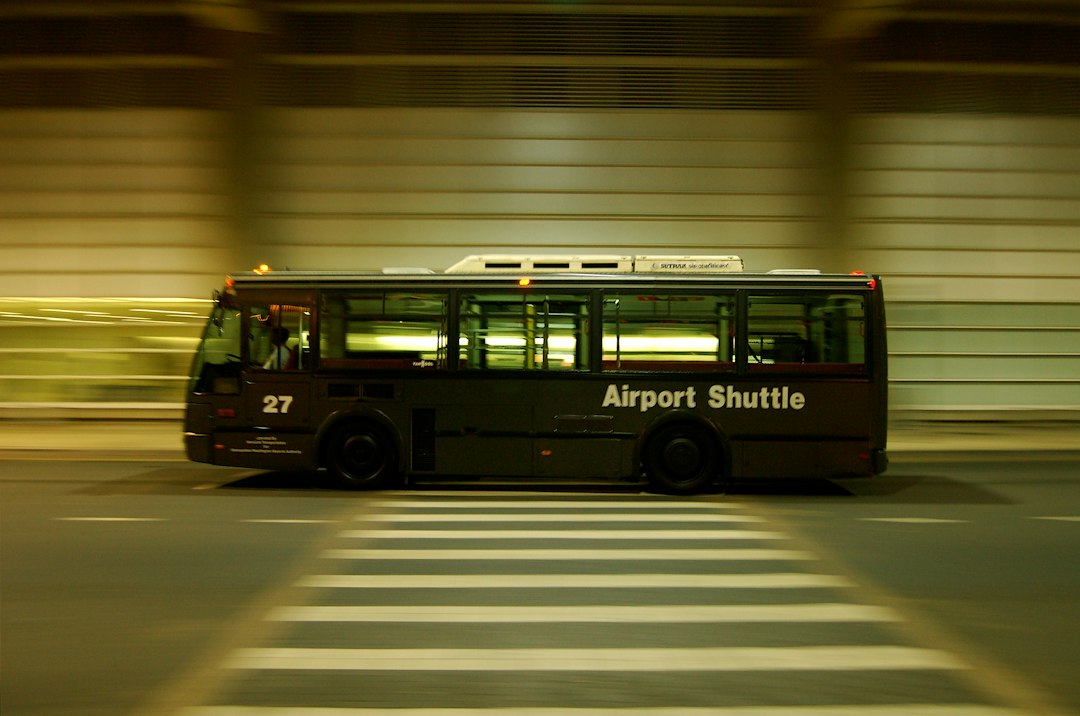
The 900 Airport Express bus links both terminals to Kipling subway station, where riders transfer onto Line 2 toward downtown. The TTC's 900 Airport Express bus connects Pearson to Kipling subway station for a single fare of $3.30. The total trip runs about 60 to 75 minutes, far longer than the train, and a single fare includes a two-hour transfer that covers the subway leg automatically.
Unlike the UP Express, the 900 bus shares the road with everyone else. It connects Kipling Station, on the Bloor-Danforth subway line, to Pearson via Highway 427, stopping at both Terminal 1 and Terminal 3. A slow-moving snowstorm or a stalled truck on the 427 can stretch that leg well past its usual length, even though the subway portion stays reliable once a rider reaches Kipling. Board at the Ground Transportation level outside Terminal 1, following the TTC signs, and pay with PRESTO, a contactless card, or cash.
A licensed taxi
Licensed taxis and limos wait at curbside ranks outside both terminals and charge a fixed price set by the Greater Toronto Airports Authority, not a meter. No surge pricing applies, the flat rate does not change with traffic, weather or time of day, and all taxes are included. For the downtown core, the official flat rate from Toronto Pearson to Union Station is $60 CAD, a price that covers the whole car rather than each passenger.
What the flat rate does not guarantee is travel time. GTAA materials promise a fixed price regardless of the forecast, though the official estimator still warns that travel time depends on weather, road conditions and traffic. A trip quoted at 30 to 45 minutes in clear weather can take considerably longer once ice or heavy snow slows the highway. For travellers with checked bags, a connecting flight, or a group of three or four, the fixed price removes one source of stress even when the clock does not cooperate.
A rideshare app
Uber and Lyft pick up from marked curbs at each terminal: Terminal 1 pickup happens at the ground level, door Q or P, with a separate curb at Terminal 3 arrivals. Fares to downtown typically run roughly $45 to $65 for a 30 to 45 minute ride during off-peak arrivals, cheaper than a taxi on a calm day. The catch arrives with the weather.
Because rideshare pricing adjusts to demand, a storm that keeps taxis at their flat rate can still push an Uber or Lyft fare noticeably higher. Flat-rate taxis avoid the kind of demand pricing that often doubles or triples app fares during heavy rain, snow, or rush hour. Travellers who want a known price before they land may prefer the certainty of a flat-rate taxi or the UP Express instead.

Who each option suits from Pearson airport
Solo travellers and business commuters carrying one bag gain the most from the UP Express, a fixed 25-minute ride that storms rarely touch, departing every 15 minutes all day. Budget-conscious travellers with time to spare and light luggage do well on the $3.30 TTC combination, provided they build an extra half hour into their plans for a bad-weather evening. Families, travellers with checked luggage, or anyone landing after midnight benefit from the $60 flat-rate taxi to Union Station, since the price holds steady no matter what the roads look like. Rideshare apps suit travellers comfortable with a fluctuating price who are flying on a clear day, since good weather keeps both the traffic and the fare predictable.
The factor that decides it is not comfort or distance, it is certainty. A traveller who needs to know the exact cost before landing should book a flat-rate taxi or buy a UP Express ticket in advance, since neither price moves once a storm arrives. A traveller who needs to know the exact arrival time, for a meeting or a connecting train, should choose the UP Express over every road-based option, since rail is the only one of the four that highway weather cannot delay. Everyone else, travelling light on an ordinary November afternoon, can reasonably pick whichever option is cheapest at that moment.