
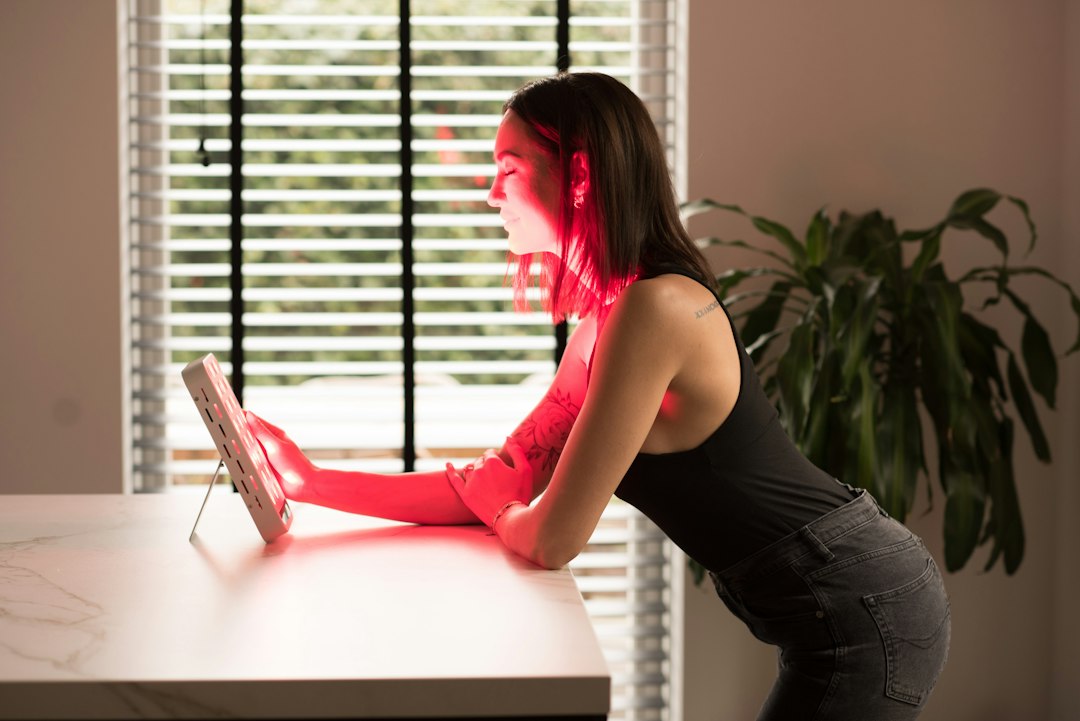
Does a light therapy routine actually help when Toronto's daylight drops below nine hours in December? The short answer is yes, if you get the timing and the light source right. Shorter days change melatonin and serotonin levels, and that shift shows up as fatigue, low mood and a craving for carbohydrate-heavy food by mid-afternoon. This guide sets out what a working routine looks like, what the evidence supports, and what most people get wrong about light boxes.
Why Toronto's short days drain your energy
By the winter solstice on December 21, Toronto gets only 8 hours and 55 minutes of daylight. The shortest day of the year falls during the winter solstice on December 21, 2026, with a daylight length of 8 hours, 55 minutes. That is a steep drop from summer: Toronto gets 6 hours 30 minutes more daylight on the longest day than on the shortest one, 15 hours 26 minutes versus 8 hours 55 minutes. The earliest sunset actually lands before the solstice: the earliest sunset is on December 9 at 4:40 pm, and the latest sunset is on June 26 at 9:03 pm.
That daylight swing has a measurable effect on the brain. In 2016, scientists at Toronto's Centre for Addiction and Mental Health identified the first brain biomarker for SAD. They found that people with SAD show a dramatic 35% seasonal increase in serotonin transporter levels during winter. That single finding helped explain why the condition was treatable rather than simply a mood you had to wait out.
The numbers behind seasonal affective disorder are larger than many people assume. About 2 to 3% of Canadians will experience SAD in their lifetime, and another 15% will experience a milder form that leaves them only slightly depressed but still able to live their life without major disruptions. People with seasonal affective disorder make up about 10% of all depression cases. Some research found that women may be up to nine times more likely to be diagnosed than men.
The symptoms usually arrive gradually rather than all at once. Symptoms include irritability, decreased interest in work or socializing, increased eating, especially carbohydrates, and difficulty sleeping or staying awake. Most people notice the energy drop before they notice the mood change.

How to build a daily light therapy routine
A light therapy routine only works if the light box meets specific standards, not just any bright lamp from around the house. Generally, the light box should provide an exposure of 10,000 lux of light and emit as little UV light as possible. The typical recommendation is to use the light box within the first hour of waking up in the morning for 20 to 30 minutes. Place it at a distance of about 16 to 24 inches from the face, with eyes open but not looking directly at the light.
Here is a routine you can start this week:
1. Buy a box specifically labelled for SAD treatment and rated at 10,000 lux, not a general desk lamp. 2. Switch it on within 60 minutes of waking, which in December means before 7 a.m. in Toronto. 3. Sit 16 to 24 inches away while you eat breakfast, check email or read. 4. Keep sessions to 20 to 30 minutes. Brighter boxes will require less time to use each day, compared with dimmer boxes, to achieve the same effect. 5. Start in early autumn, before daylight drops sharply, and keep going. Continue using light therapy into the spring or whenever your mood starts to naturally improve.
One caution matters more than any other. If you're experiencing both SAD and bipolar disorder, the advisability and timing of using a light box should be carefully reviewed with your health care provider, since increasing exposure too fast or using the light box for too long each time may induce manic symptoms. Talk to a doctor before you start if that applies to you.
What people get wrong about light therapy
The biggest misunderstanding is that any bright light counts. Regular room lighting and most desk lamps fall far short of the 10,000-lux threshold that clinical protocols use, so a general lamp will not reproduce the same effect no matter how long you sit near it.
The second misunderstanding is that light therapy fixes everyone completely. Research suggests that around half of people who use a bright light therapy box have good results in reducing symptoms. That is a meaningful outcome, but it also means the other half need a different approach, such as counselling or medication alongside the light box.
A third mistake is treating evening light as an equal substitute for morning light. Exposure soon after waking produces the biggest antidepressant and circadian-stabilizing effects, and studies find morning light shifts the clock and improves mood more consistently than evening exposure. A 20-minute session at 9 p.m. will not deliver the same benefit as the same session at 7 a.m.
Finally, people assume more time in front of the box always helps more. In practice, timing and distance work together, and going past the recommended window does not speed up results. It simply adds sitting time without added benefit.
Natural light and vitamin D: the other half of the routine
A light box is not a vitamin D source, because it is built to screen out the rays that trigger vitamin D production in your skin. Light boxes mimic outdoor light but should filter out harmful broad-spectrum ultraviolet light. That filtering protects your eyes, but it also means the box alone will not solve a vitamin D shortfall.
The shortfall is common in Canada during winter. Vitamin D activates genes involved in serotonin production in your brain, and when levels drop, your brain struggles to make enough serotonin; about 13% of Canadians fall below adequate levels during winter months. A light box and a vitamin D supplement address two different gaps, so one does not replace the other.
This is where a short outdoor walk earns its place in the routine. A midday walk along the waterfront trail or through a park such as High Park exposes you to far more natural light than any indoor room, even under grey skies. Ten to fifteen minutes around lunchtime, layered against Toronto's cold, pairs well with your morning light box session.

What this means in practice
A workable light therapy routine for a Toronto winter comes down to five concrete habits, not willpower. Start the box in early autumn rather than waiting for the darkest weeks. Use it within an hour of waking, at 10,000 lux, for 20 to 30 minutes, positioned 16 to 24 inches from your face. Add a short midday walk outdoors and ask your doctor about a vitamin D check if fatigue persists into January.
If you live with bipolar disorder, or if low mood interferes with work or relationships for more than two weeks, treat that as a signal to see a health professional rather than adjust the routine on your own. The daylight will not return to summer levels until June, but a consistent routine built on real lux levels and the right timing can carry you through the months in between.