
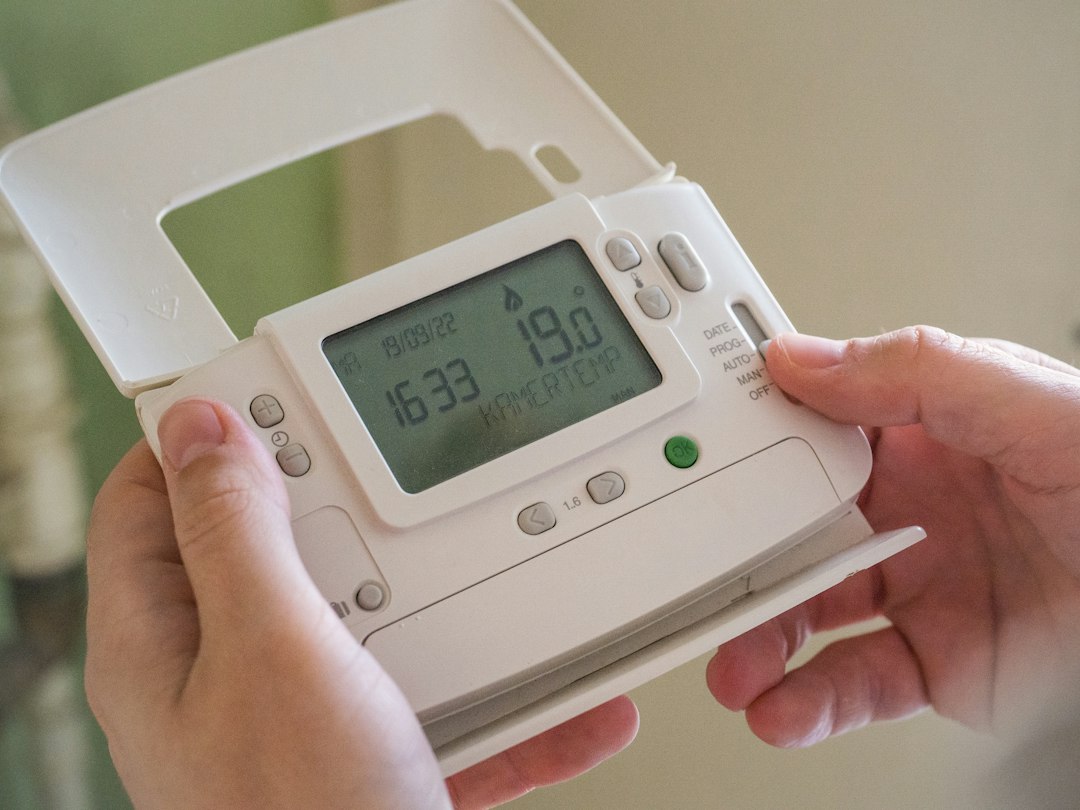
Your condo heating bill is set to rise this November, and the cause starts with the hydro rate schedule, not the thermostat. Toronto Hydro moves to its winter time-of-use pricing today, pushing peak rates into the hours your heating system works hardest: weekday mornings and early evenings. If your maintenance fees do not already cover heat or hydro, that shift reaches your bill directly. This guide explains what drives condo heating costs in Toronto, what your fees actually cover, and which changes lower your bill before the cold fully settles in.
Why condo heating costs climb before winter
Ontario households on a regulated electricity plan move to winter billing on November 1 every year. Ontario households on a regulated electricity price change over to winter billing on Sunday, November 1, 2026, and three things happen that day: the time-of-use peak hours flip to the winter pattern, the tiered threshold rises from 600 to 1,000 kilowatt hours a month, and new Regulated Price Plan prices take effect for the next 12 months. The Ontario Energy Board set new winter rates of 9.1 cents per kWh off-peak, 14.6 cents mid-peak and 18.9 cents on-peak, alongside tiered rates of 11.2 and 13.2 cents.
That sounds like good news, since all three time-of-use prices fell by roughly 7 percent from the previous winter's rates. But there is a catch most summaries skip: the Ontario Electricity Rebate falls to 15.7 percent from 23.5 percent, according to the OEB's announcement. A smaller rebate can offset a lower rate, so your actual bill may not drop as much as the headline number suggests.
Timing matters as much as price. On-peak hours move from weekdays 11 a.m. to 5 p.m. in summer to 7 to 11 a.m. and 5 to 7 p.m. in winter, while the price stays 20.3 cents per kWh in both seasons under the old schedule. Your heating system runs hardest at exactly those morning and evening hours, when people wake up, come home and cook dinner. Add in the season itself: Toronto winter months average around minus 5 degrees Celsius, which pushes natural gas and electricity bills higher than in spring or fall.
What your maintenance fees actually cover
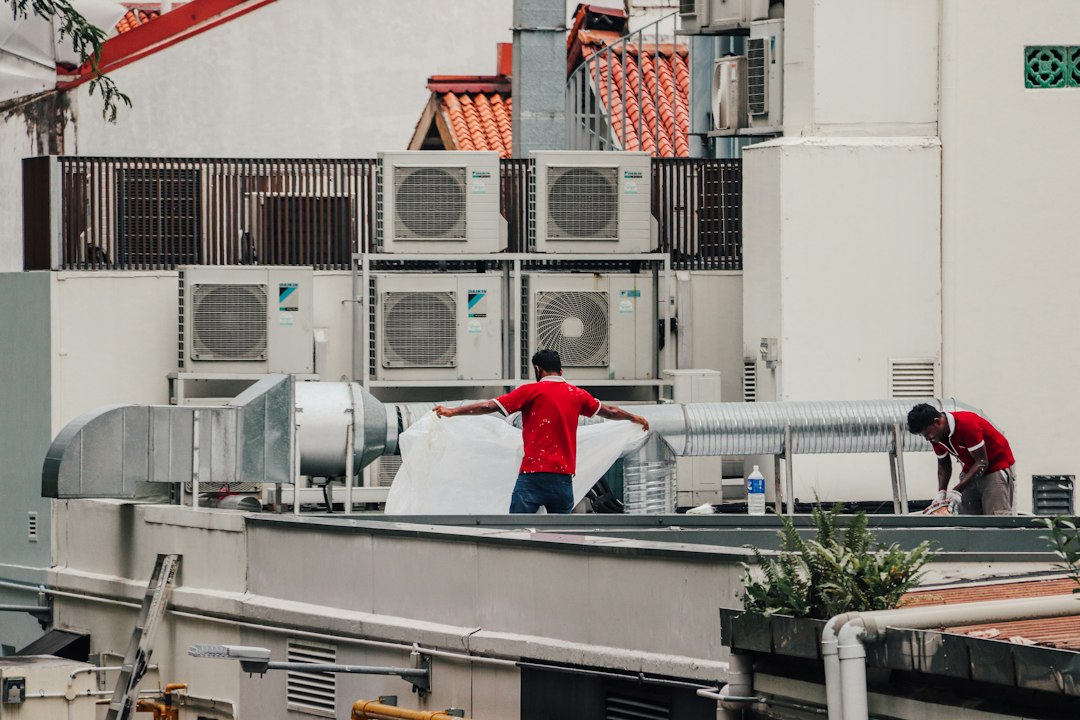
Before you change any habits, confirm what your condo fees already pay for. Coverage varies widely by building age and type, and guessing wrong wastes effort on the wrong fix. Downtown Toronto high-rises built before 2000 often include heating and water in fees that run $0.90 to $1.20 per square foot. Newer towers increasingly bill heat and hydro separately, so your own usage drives the number on your statement.
If your fees do not cover utilities, budget accordingly. Toronto buildings that don't bundle utilities typically add back $45 to $95 a month for hydro, $35 to $70 for heat, and about $28 for water. Combined, heat and hydro for a Toronto condo can run $100 to $200 a month. That range explains why two units of the same size can carry very different total housing costs depending on what the fee bundles.
There is a real trade-off buried in this math. A building that bundles utilities buys them at a commercial bulk rate and absorbs the winter spike, so your cost stays the same in January as it does in June. Paying your own hydro bill means more control over your costs, but it also means carrying the full winter spike yourself.
Five fixes to lower the bill this week
Start with the changes that cost nothing and work the same day.
1. Match your thermostat schedule to the off-peak window. If you control your own heat, lower the temperature during the 7 to 11 a.m. and 5 to 7 p.m. peak hours, since electricity there costs roughly double the overnight rate. 2. Seal visible drafts around balcony doors and window frames with removable weatherstripping. This single fix costs under $20 at most hardware stores and works in any unit, rented or owned. 3. Clean or replace your in-suite fan coil filter monthly through winter. A dirty filter forces the unit to run longer for the same output, and annual maintenance for condo HVAC systems in Toronto typically costs $200 to $500. 4. Reverse your ceiling fan to spin clockwise on low speed. This pushes warm air that collects near the ceiling back down into the room where you actually feel it. 5. Install a smart thermostat if your unit controls its own heat and carries its own utility account. The Enbridge smart thermostat rebate through the Home Renovation Savings program now pays $125 on qualifying ecobee, Google Nest, Honeywell Home, Sensi, Mysa and Sinopé models.
The rebate mistake many condo owners make
Readers often assume Ontario's bigger retrofit rebates apply to any home, including a condo unit. For the larger bundled upgrades, that assumption is wrong. The Home Efficiency Rebate Plus program excludes multi-unit residential buildings with more than three storeys or larger than 600 square metres. Most Toronto condo towers fall well outside that limit, so an individual owner cannot apply for the insulation, air sealing or heat pump rebates on their own suite.
That decision sits with the condo corporation, not with you. If your building qualifies and the board chooses to pursue a retrofit, the rebate applies at the building level, through a shared energy assessment. Raise it at the next annual general meeting or with your property manager if nobody has looked into it yet.
The smart thermostat rebate works differently, and this is where individual owners still have a path. The "Before you buy" option gives $75 off a qualifying smart thermostat at checkout from participating retailers, separate from the larger bundled rebate stream. You need a thermostat that controls your own unit's heat, so check with your property manager first if you are unsure whether your suite qualifies.

What this means for your condo heating bill
Act on the pieces that fit your building first. Confirm with your property manager this week whether heat and hydro sit inside your fees or arrive as separate charges, since every other decision depends on that answer. Compare your November statement against September once it arrives, since today marks the start of the new winter rate schedule.
If you pay your own hydro, shift anything heat-related, like running a space heater or your fan coil fan on high, outside the 7 to 11 a.m. and 5 to 7 p.m. windows. Book a fan coil filter check before building maintenance schedules fill up for the season. If you plan to buy a smart thermostat, the $125 instant rebate through the Home Renovation Savings program runs until November 30, 2026. Small, well-timed moves now matter more than any single purchase once the coldest weeks arrive.